Greenville drivers know the feeling: a dump truck merges ahead on I‑385, a 29316 Auto Glass pebble flicks up, and the next morning sunlight finds a bright starburst in the glass. Some chips are harmless for a while, others threaten the whole windshield by lunchtime. Drawing the line between a quick repair and a full replacement takes a little know‑how, and in this region, local factors like humidity swings, summer heat, and frequent lane work matter more than people think.
This guide distills what technicians in the Upstate see every day. It covers how damage behaves, when a do‑it‑yourself kit is reasonable, and when windshield repair Greenville drivers trust should involve a van pulling up to your driveway. It also touches on related services that tend to travel with the job, from ADAS calibration to a proper seal when you need side window replacement Greenville residents often request after a break‑in. The goal is simple: keep you safe, save time, and avoid paying twice by making the right call once.
A crack is not just a crack
Glass damage has a personality. Chips, star breaks, bull’s‑eyes, and long cracks behave differently, especially when Greenville’s weather pushes them. A round bull’s‑eye from a smooth stone is usually the most repairable, while a star break with spidering legs likes to grow. A long crack that runs from the edge of the glass almost always means replacement, not because it looks bad but because the edge is where the windshield bonds to the vehicle. That bond is part of the safety cage that keeps the roof from collapsing.
Size and location set your options. As a rule of thumb, a chip smaller than a dime and a crack shorter than three inches can often be stabilized with resin. Once a crack passes six inches or reaches the edge, count on windshield replacement Greenville shops perform daily. Damage directly in the driver’s primary field of view is another tipping point. Even a well‑repaired chip can leave a faint mark, and South Carolina inspection standards and simple common sense say visual clarity matters.
Temperature adds another layer. Summer sun heats the glass, the dashboard traps it, and a micro crack becomes a macro crack. Winter mornings, when the defroster blasts a small hot patch, can create uneven expansion that shoots a crack across the line of sight. Park in shade when you can, and avoid scalding the glass with a high‑heat setting right over a chip.
The repair window: how time and conditions work against you
From the moment the glass breaks, moisture and dust begin to contaminate the damaged area. Resin bonds best to clean, dry edges. If rain or car‑wash water seeps into the chip, it traps microbubbles that cloud the repair and weaken the bond. Drives down gravel roads can work grit into the fracture lines. A technician can often clear debris with vacuum and alcohol, but there is a clock running.
I have watched a dime‑sized chip hold steady for weeks, then grow to a foot overnight after a sharp drop in temperature. I have also repaired a six‑week‑old bull’s‑eye that looked awful but remained structurally shallow and took resin perfectly. Timing matters, yet so do the chip’s anatomy and the glass’ stress points. If you can get mobile windshield repair Greenville teams offer to your office the next day, do it. If you have to wait, cover the chip with a piece of clear packing tape to keep contamination out. Avoid cheap stickers with tinted glue that can stain the lamination.
DIY kits vs. a pro’s toolkit
Retail kits are better than they used to be. On a simple bull’s‑eye, a patient person following instructions can stop further cracking. The problem is consistency and scope. Kits lack a pro’s injector that cycles vacuum and pressure several times, drawing resin deep into micro fissures. They also come with a single viscosity resin. A shop carries thin resin for hairline cracks, thicker resin for larger voids, and a pit filler for the surface.
Visibility also separates the two. A quality repair should remove 70 to 90 percent of the visual blemish, sometimes more on a neat bull’s‑eye. A star break may remain noticeable, though structurally sound. DIY work often looks cloudy, mostly because of trapped air or ultraviolet curing done under poor lighting. If the chip sits in your eye line, farm it out. If it lives low in the passenger corner and you feel handy, a kit can be a stopgap.
The final difference is liability. A mobile auto glass Greenville technician will tell you straight up if a risk exists that the crack will run during repair. Shops carry the cost of a failure; you do not. Trying a tricky fix at home transfers that risk to you. More than once I have seen a long, shallow crack look stable for months, then open up during a ham‑fisted vacuum attempt.
When to choose repair, and when replacement is the smarter call
Think through three lenses: safety, visibility, and economics. Safety first. If the damage touches the windshield’s edge or a vertical pillar area, replacement wins. That bond ties into the car’s structure, especially on newer vehicles where the windshield helps the airbag deploy correctly. A compromised edge bond is not worth gambling on.
Visibility next. If the chip or crack sits within the driver’s wiper sweep and distracts your focus, even after a test repair, go with a new glass. Good shops will advise you honestly here. The line between barely noticeable and constantly annoying is small, but you will feel it in the first five minutes of driving into the sun.
Economics last, but they still matter. A repair usually costs a fraction of a replacement and preserves the factory seal. Many carriers waive the deductible for a repair because it keeps their costs down. If you are shopping around for cheap windshield replacement Greenville ads promise, check what “cheap” includes. Glass quality varies, and the urethane and prep work matter as much as the pane. Saving fifty dollars to end up with a squeak in humid August air or wind noise at highway speed is not a win.
Why mobile service works so well in Greenville
Traffic around Laurens Road, Pelham Road near the airport, and downtown construction makes scheduling tricky. That is the main reason mobile windshield repair Greenville drivers choose has taken off. A proper mobile setup brings a moisture meter, a professional injector, several resin viscosities, ultraviolet curing, and a weather‑proof tent or screen so light rain or wind does not sabotage the job. The technician can knock out a repair in 30 to 60 minutes, and a straightforward replacement in about 90 minutes, plus a safe‑drive‑away cure period that typically runs 30 to 60 minutes depending on the urethane and weather.
The mobile model works, but it has limits. Heavy rain without cover or subfreezing cold makes curing unreliable. A shop bay controls dust, temperature, and alignment surfaces, which matters more on advanced driver assistance systems. If your car uses a camera behind the windshield for lane keep or emergency braking, and many 2018 and newer models do, expect an on‑site or in‑shop calibration after windshield replacement Greenville technicians perform. That is not a luxury. It is the difference between a system that warns early and one that drifts.
ADAS calibration and why it belongs in the conversation
A windshield swap is no longer just a pane of glass. ADAS cameras, rain sensors, humidity sensors, and heated wiper park areas live in that upper center area. ADAS calibration windshield Greenville shops provide comes in two flavors: static, which uses targets and precise measurements in a controlled bay, and dynamic, which involves a drive cycle on well‑marked roads at set speeds. Some cars require both. Skip calibration and the dash might stay quiet, but the software can be a few degrees or inches off, enough to change how soon it sees a lane line.
Plan for calibration in your schedule, and make sure it is included in any quote. A surprisingly low bid that ignores this step can cost more after the fact. Ask how the shop documents calibration, whether they follow OEM procedures, and if they have liability coverage specific to ADAS work. In the Upstate, a good many roads lack crisp lane paint, which complicates dynamic calibration. Good shops know routes where the system learns quickly and safely.
Insurance, deductibles, and getting it covered
South Carolina policies commonly treat repairs differently than replacements. Carriers often pay for a repair in full since it is cheaper than glazing new glass. Replacement usually triggers your comprehensive deductible, which ranges from 0 to 500 dollars in most policies I have seen. That is where insurance windshield replacement Greenville customers request needs a careful read. If your deductible is 500 and the replacement is 350 to 450 for common models, there is no claim to make. If you own a newer vehicle with acoustic or solar glass and a front camera, the total can pass 900 when you include calibration, so insurance makes more sense.
Let the shop help navigate the claim. They do this daily. Have your policy number handy, confirm OEM versus aftermarket options, and clarify whether you want original equipment glass. Some models, especially luxury or those with heads‑up display, benefit from OEM clarity and coatings. Others are fine with high‑quality aftermarket. A reputable shop presents the trade‑offs without pushing.
The rest of the glass: side and back windows
Not all breaks happen up front. Smash‑and‑grab thefts in tighter parking lots around downtown and West End events tend to target side windows. Tempered glass shatters completely, which means side window replacement Greenville services are almost always replacement, not repair. Back glass breaks in accidents or from a fallen limb, and on many SUVs it includes a defroster grid and sometimes an antenna. The process for back glass replacement Greenville owners need includes careful cleanup of glass shards from door cavities or cargo areas. Insist on a thorough vacuum and a check of drain holes so you do not end up with moisture and mildew.
Expect a different timeline for these jobs. A side window can often be replaced same day with mobile service. Back glass may take longer if a defroster harness needs parts or if the glass is backordered. Prices swing widely based on whether the glass has tint, embedded elements, or special shapes.
What quality looks like after the job
A good repair is mostly invisible and completely dry. You should not see moisture or milky resin in the chip after 24 hours. The surface should feel smooth, flush with the surrounding glass, and free of rough edges that catch the wiper blade. A proper replacement shows even gaps along the edges, no urethane squeeze‑out on the interior trim, and no wind noise on your test drive at 45 to 55 mph. The rain sensor should behave on cue. If your rearview mirror houses sensors or a camera, all features should wake up without error codes.
Curing matters. Modern urethanes publish safe drive‑away times that depend on humidity and temperature. Greenville’s summer humidity accelerates curing, while cold dry days slow it down. Follow the technician’s instructions. Do not slam doors for the first day, since cabin pressure can flex fresh urethane. Avoid automatic car washes for 24 to 48 hours. Leave any painter’s tape in place until the tech says it can come off.
Common pitfalls and how to avoid them
I have seen three problems repeat across many vehicles. First, contamination of the chip before repair leads to a cloudy finish and a weaker bond. The tape trick helps. Second, skipping calibration after replacement on ADAS‑equipped cars creates a false sense of security. The dash may show no warning, but that does not mean the camera view aligns with reality. Third, chasing the absolute lowest price without weighing glass quality and workmanship ends up costing more in squeaks, leaks, and do‑overs.
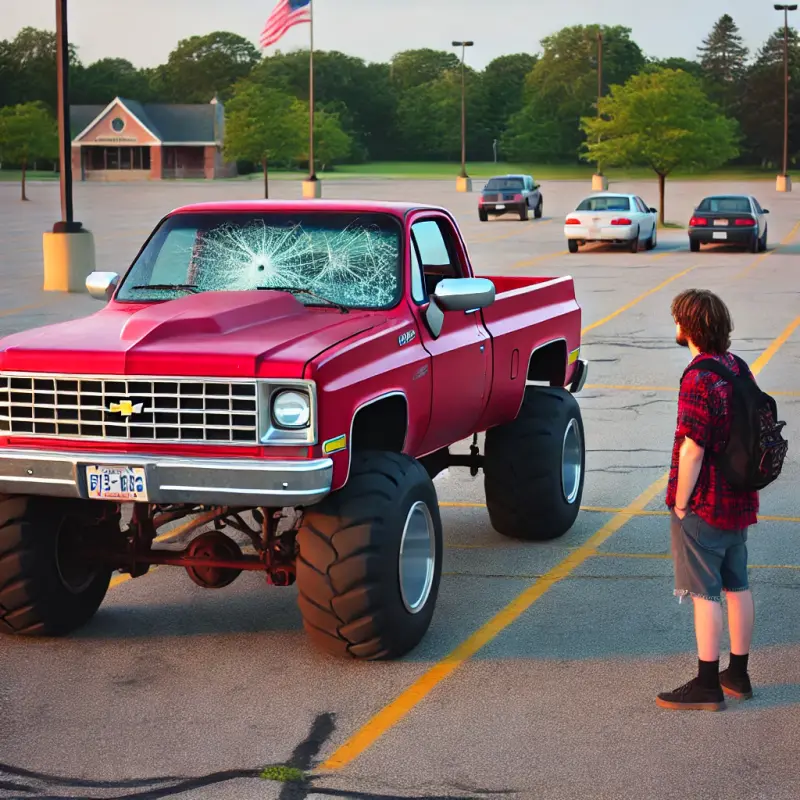
When shopping for auto glass replacement Greenville drivers can trust, ask about the urethane brand, whether they use one‑time‑use clips and moldings as intended, and how they protect the paint and dashboard during removal. These details separate clean work from hack jobs.
A realistic sense of cost and timing
Prices vary by model, but a basic chip repair often lands under 150 dollars and takes less than an hour. A standard windshield on a common sedan, without ADAS, might run 300 to 450 and fit within a morning appointment. Add camera calibration, rain sensor pads, and acoustic glass, and the total can reach 700 to 1,200, with two to three hours when you include prep and calibration drives. Side windows are typically 200 to 400 depending on body style and tint. Back glass is all over the map based on defrost and wiper assemblies.
Lead times depend on glass availability. Popular models are usually in stock. Less common trims or specialty acoustic panes can take a day or two. Mobile appointments fill quickly on Fridays and ahead of holiday weekends. If you can schedule midweek, you will find more flexibility.
Seasonal realities in the Upstate
Greenville throws four distinct seasons at your windshield. Pollen in spring forms a gritty paste that wiper blades grind into the glass, so rinse the windshield before you wipe. Summer heat bakes dashboard cleaners onto the glass interior and reveals halos at night; use glass‑specific cleaners and lint‑free towels. Autumn drops acorns and small limbs, and a chip from that kind of impact often hides a deeper cone fracture that needs a pro’s assessment. Winter mornings push thermal stress across chips, and road salt can leave a film that hides new damage. None of these are reasons to panic, but they are solid reasons to give the glass a quick look when you fuel up.
When “cheap” is fine, and when it is a trap
“Cheap windshield replacement Greenville” is a common search for a reason. No one wants to overspend. There is a place for value pricing on simple vehicles with no sensors and readily available glass. A straightforward job done by a seasoned tech in your driveway can be both affordable and excellent. The trap appears when a low sticker price hides what is missing: proper prep, correct moldings, compatible urethane, or required calibration. I would rather see a transparent quote that lists glass brand, urethane cure specs, moldings, and calibration plan. If a shop dodges those questions, keep looking.
A quick decision guide you can use
- Small chip, clean circle or short star, out of direct sight line, less than a week old: book mobile windshield repair Greenville services and cover with tape until they arrive. Long crack, edge damage, or anything in the driver’s view that distracts: schedule windshield replacement Greenville and plan for at least a half day if calibration is needed. ADAS camera behind the glass, lane keep or emergency braking features: confirm ADAS calibration windshield Greenville capability is included and documented. Break‑in with shattered side glass: request side window replacement Greenville with thorough cleanup and a check of window track alignment. Hatch or SUV rear glass broken, defroster present: choose back glass replacement Greenville technicians who handle defroster connectors and interior trim carefully.
Final checks before you book
A good shop will answer questions clearly. Ask whether they offer mobile auto glass Greenville coverage in your area and what weather conditions they can work in. Confirm whether insurance windshield replacement Greenville billing is something they can handle directly. Verify glass type, brand, and warranty. If your car is newer, ask how they will protect your ADAS features. Then listen to your own instincts. If the conversation feels rushed or evasive, move on. The right team treats your questions as part of the job, not an interruption.
A windshield anchors your field of view and your vehicle’s structure. Sometimes a twenty‑minute resin injection is all you need. Other times, you need fresh glass, fresh urethane, and a camera that knows exactly where the lane is. Call a pro when the damage is large, near the edge, in your line of sight, or touching any sensor area. Use mobile service when time is tight. Protect the repair with simple steps until the van arrives. With the right judgment and a capable technician, you will spend less time staring at a flaw and more time just driving, which is the point.